The knee is an important load-bearing joint, which is distinct from the other major load-bearing joints in that soft tissues rather than articular shape are the major stabilizing factors.
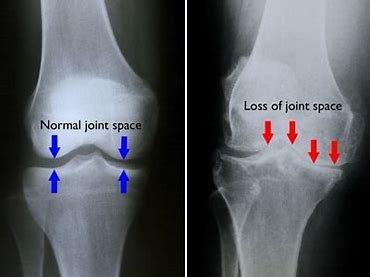
Forces transmitted by the knee joint are of great clinical significance. Obesity, which increases the overall magnitude of loads across the knee, is associated with an increased incidence of osteoarthritis as well as accelerated progression of the disease.
Forces transmitted across the knee joint during normal walking range between 2- and 3-times body weight. This is in part due to the kinetics of acceleration, the high moments generated at the knee, and simultaneous contraction of multiple muscles. Therefore, the net effect of each additional kilogram in body weight is multiplied 2 or 3 times at the knee.
Malalignment of the lower extremity, which overloads one compartment at the expense of another, is also associated with progression of osteoarthritis.
So, by simply correcting biomechanics and weight reduction, we can control ongoing knee degeneration and avoid unnecessary medication and surgical intervention. Oral medications without surgical intervention can only accelerate the ongoing degenerative process and push us rapidly towards surgical intervention.
Improved biomechanics and pain management procedures can help us living a healthy and pain free life.