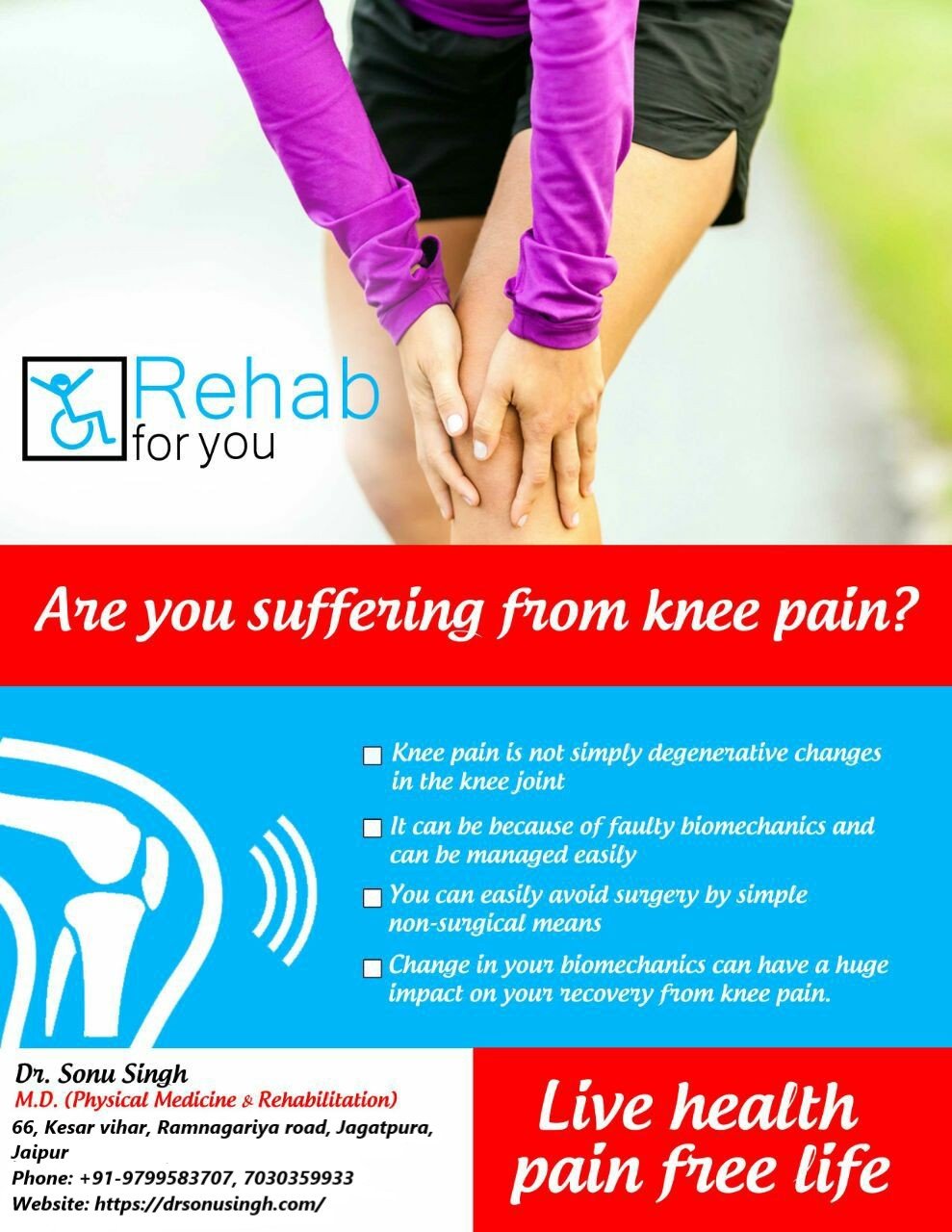
Biomechanical factors play an important role in the health of diarthrodial joints. Altered joint biomechanics and loading — associated with obesity, mal-alignment, trauma, or joint instability — are critical risk factor for joint degeneration, that's why biomechanical correction, exercise and weight loss have generally been shown to promote beneficial effects for osteoarthritic joints.
The mechanisms by which mechanical stress alters the physiology or pathophysiology of articular cartilage or other joint tissues likely involve complex interactions with genetic and molecular influences, particularly local or systemic inflammation secondary to biomechanical alterations, injury or obesity.
An abnormal, altered, or injurious loading is associated with inflammatory and metabolic imbalances that may eventually lead to osteoarthritis.
An improved understanding of the biophysical and molecular pathways involved in chondrocyte mechano-transduction can provide insight into the development of novel therapeutic approaches for osteoarthritis. The recent studies indicate that biomechanical correction, knee intra-articular injections and exercises may play many important beneficial roles in an overall therapeutic regimen for osteoarthritis. These include decreased pain, increased mobility, improved muscle strength and slow down progression of the disease.
Live life free from pain & disabilities.